

Tariff relief has become a focal point in recent policy discussions between India and the United States, following a sharp decline in Russian oil imports by Indian refineries. With trade penalties potentially being lifted, attention turns toward how this change may affect pricing and economic flows. The development has also sparked curiosity, including Daman Game, as potential adjustments could reshape user experiences.
Methods of processing funds with tariff relief
Recent international dialogue has reignited debates about tariffs, especially in how they impact financial procedures in INR. As India distances itself from Russian oil and adjusts its trading posture, the possibility of lower tariffs suggests better affordability for users operating within regulated transaction networks. Read on as we explore how this shift may redefine deposit methods, withdrawal processes, and overall tariff regulations.
Deposit mechanisms benefiting from tariff relief policies
India’s most-used funding channels—UPI, IMPS, and local bank transfers—already offer quick turnaround times for INR deposits. What sets the conversation apart now is the prospect of tariff relief potentially lowering transaction fees on a broader scale. For example, a typical INR deposit of ₹5,000 might include an added ₹50 fee, which may be waived under updated regulations. Treasury Secretary Scott Bessent’s remarks suggest an evolving policy landscape, opening the door for smoother transactions on finance-focused platforms such as Daman Game.
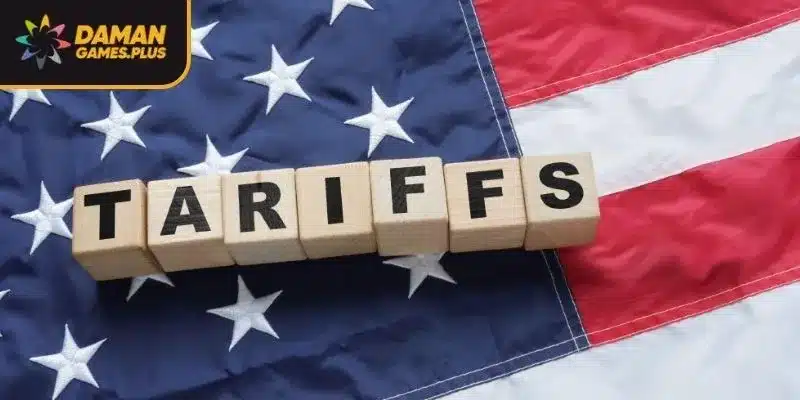
Withdrawals made easier with revised tariff considerations
For members requesting INR withdrawals between ₹1,000 and ₹20,000, standard service fees typically range from ₹10 to ₹80 per transaction. Recent policy adjustments and cost-optimization efforts following India’s alignment with international energy standards may help lower or eliminate these charges. Several operators are already updating processing systems, especially benefiting users who withdraw multiple times daily.
Daily transfer ceilings and processing durations
Most active members operate under daily INR deposit limits of ₹1,00,000, while withdrawal caps usually remain near ₹50,000. These thresholds are managed through a tiered verification system that prioritizes both security and transaction efficiency. With discussions around tariff relief, platforms are exploring ways to further streamline fund management for high-activity users.
Recent adjustments in cost structures and policy alignment may allow operators to gradually relax these thresholds. Some internal reports suggest higher transaction caps could be introduced under optimized processing models. As systems improve, verification during peak traffic hours is also expected to become faster and more consistent.
Trusted security backed by regulatory confidence
Alongside financial speed and convenience, the assurance of secure fund movement remains a top priority. Indian services, in light of global scrutiny, are adopting stronger compliance strategies. With security in focus and tariff relief on the horizon, more members are now engaging confidently in INR-based activity. Explore how improved protection levels play a critical role.
Strong encryption and real-time audit tracking
To guard against unauthorized access, major Indian operators have implemented 256-bit SSL encryption coupled with dynamic session monitoring. On average, each financial interaction is logged with a five-second delay and reviewed by AI-led detection systems. A reduction in cross-border tariff complexity through tariff relief could allow more resources to be directed at enhancing cybersecurity—rather than absorbing excessive levies or tariffs on backend systems.
ID authentication streamlined for user protection
Identity verification typically includes PAN, Aadhaar, and facial recognition checks. Completion times range from 10 to 15 minutes, depending on the user’s history. For larger withdrawals or account upgrades, live video verification may be introduced. In case of errors, customer support resolves 92% of disputes within 8 hours.

Risk screening and preventative oversight
Risk management systems filter approximately 15,000 transactions daily, flagging under 0.8% for manual review. Fraud is prevented using real-time location tracking, duplicate ID detection, and system timestamp cross-checks. With a shift toward tariff relief, several operators anticipate fewer operational barriers, enabling faster deployment of fraud detection tools and a reduction in false positives due to streamlined financial data handling.
Practical usage: Money flows and user satisfaction
For regular participants handling INR transactions, the priority is always ease and clarity. With policies under review and tariff relief projected to improve transaction affordability, expectations are growing among Indian users. Let’s evaluate the user-facing outcomes, especially regarding fund speed and support access.
Transaction efficiency and time-sensitive funding
Deposits below ₹10,000 via UPI typically complete within 45 seconds, making funding fast and convenient. Withdrawals generally require 2–3 hours, while verified users often experience shorter processing times. These timeframes help users plan sessions more effectively, especially when managing multiple transactions within a single day.
Recent policy adjustments and system optimizations aim to reduce network congestion, particularly during peak evening hours. Platforms such as Daman Game have upgraded their queue management systems to handle higher traffic volumes smoothly. These improvements support faster transaction flow and prepare platforms for broader financial adoption.
Reviews from active Indian participants
Ravi from Pune shared that his standard deposit time reduced from 2 minutes to 30 seconds after account tier upgrades. Priya from Surat praised the seamless ₹20,000 withdrawal, which was credited within two hours without extra deductions. These stories echo across India, highlighting a growing belief that tariff relief might soon normalize smoother service standards for all verified members.
Responsive teams for charge-related assistance
Users usually receive live chat replies within two minutes, while email support handles more complex issues in about 6–8 working hours. Assistance is commonly available in English and Hindi, with added support in regional languages such as Tamil and Marathi to improve clarity and user comfort.
Support agents are trained to clearly explain transaction fee structures, service charges, and cross-border processing details. In Q4 2025, more than 65% of inquiries focused on international transactions and fee transparency. These figures highlight the growing need for clearer pricing models and easier-to-understand charge explanations.
Conclusion
Tariff relief has become a pivotal talking point as India recalibrates its oil partnerships and financial priorities. With reduced Russian imports and renewed U.S. cooperation, INR-driven services may benefit from lighter transactional burdens. Platforms such as Daman Game are ready to align with this shift, offering members faster, more cost-effective processing.
